Building a Budget That Actually Works for Your Household
Practical steps to create a realistic budget that accounts for rent, utilities, food, and unexpected expenses.
Read ArticleThree to six months of expenses is the standard advice, but we’ll help you figure out what makes sense for your specific situation and income stability.
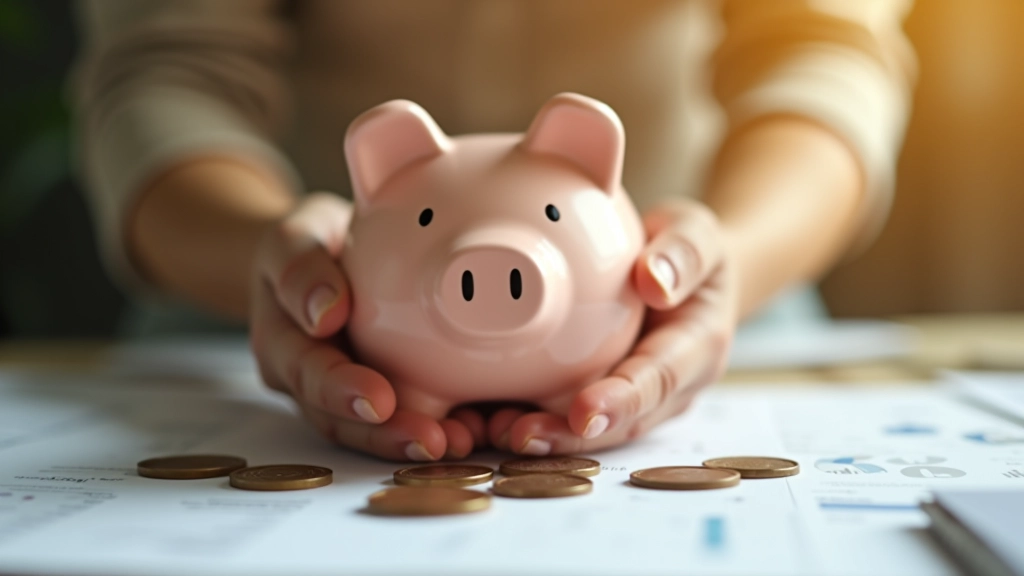
An emergency fund isn’t exciting. It’s not something you’ll post about on social media or feel proud showing off. But it’s probably the most important money decision you’ll ever make. Here’s why: life doesn’t follow a budget.
Your car breaks down. You lose your job. Medical bills arrive unexpectedly. These things don’t happen on schedule, and they don’t ask permission. Without an emergency fund, you’re one crisis away from debt that could take years to recover from.
The goal of this guide is simple — help you build a safety net that actually works for your life. Not someone else’s life. Yours. Whether you’re freelancing in Causeway Bay, managing a household, or navigating unstable income, we’ll show you exactly how much you need and how to get there.
This guide is educational and informational only. It’s not personalized financial advice. Your situation is unique — factors like dependents, job stability, health conditions, and debt load all matter. Consider consulting with a certified financial advisor who understands Hong Kong’s cost of living before making major financial decisions.
You’ve probably heard this before: save 3 to 6 months of living expenses. It’s everywhere. Financial blogs repeat it. Banks recommend it. But here’s the thing — that advice doesn’t actually fit everyone.
The range exists for a reason. If you’ve got a stable job with good benefits and one income source, 3 months might be enough. You know roughly what you’ll spend next month, and you’re confident you can find work if you need to. But if you’re self-employed? If your income varies? If you’re the sole earner for a family? You’ll probably sleep better with 6 months or even more.
Let’s be honest — the true number isn’t about the rule. It’s about how secure you feel. If you wake up at 3 AM worried about money, your fund is too small. If you could handle a 6-month job loss without panic, you’re probably in the right zone.
Start with your actual monthly expenses. Not what you think you spend — what you actually spend. Include rent, utilities, food, insurance, transport, subscriptions. Everything.
Then ask yourself these questions: How stable is my job? Can I find work quickly in my field? Do I have dependents? Do I have existing debt? What’s my health situation? The answers will point you toward the right number for you.

Let’s get specific. A single person renting a flat in Hong Kong might spend HK$15,000-20,000 monthly. That’s rent, food, transport, basic expenses. Multiply that by 3 months and you’re looking at HK$45,000-60,000 minimum. For 6 months? HK$90,000-120,000.
A household with two earners and one child? You might be looking at HK$35,000-45,000 monthly. That means 3 months is HK$105,000-135,000. Six months is HK$210,000-270,000.
These numbers might seem big. They are. That’s exactly why most people don’t have adequate emergency funds. But building it doesn’t happen overnight. You don’t need to save it all in the next month.
Start with one month. That’s your first goal. Once you hit one month of expenses, move to two. Then three. By the time you reach three months, you’ll have momentum. The habit will be built in. Getting to six becomes the next natural step.
This matters more than people think. Your emergency fund needs to be accessible — which means it can’t be locked in a long-term investment. But it also shouldn’t be in your regular checking account where you might accidentally spend it.
The best place? A separate savings account with decent interest. In Hong Kong, you’ve got options: high-yield savings accounts (some banks offer 4-5% annually), money market accounts, or fixed deposits with early withdrawal options. You want money that’s available in 1-2 days if you really need it, but not so accessible that you raid it for a shopping spree.
Some people use a different bank entirely — something like DBS or Standard Chartered for the emergency fund, separate from their daily banking. It creates psychological distance. When money is out of sight, it’s out of mind. You’re less tempted to spend it.
Don’t put your emergency fund in stocks. Don’t put it in cryptocurrency. Don’t put it in anything that could lose 30% of its value next month. This money is for peace of mind, not growth. If you need it next week and the market crashed, you’re not okay.
Track your spending for one month. Write down everything — utilities, groceries, transport, subscriptions, insurance. Be honest. This is the foundation.
Based on your job stability and situation, decide if you’re aiming for 3 months or 6 months. Or start with 3 and plan to reach 6 within a year.
Find a high-yield savings account. Compare rates. You’re looking for something with minimal fees and decent interest. This psychological separation matters.
You don’t need to save HK$100,000 this month. Start with HK$500 or HK$1,000 per month. Automate it if you can. Set it and forget it.
Once you’ve built your fund, don’t touch it. Not for a holiday. Not for a new phone. It’s there for actual emergencies — job loss, medical crisis, urgent repairs.
An emergency fund won’t solve all your problems. It won’t make you rich. It won’t even get you excited. But it will do something more valuable — it’ll let you sleep at night. It’ll give you options when life throws a curveball. It’ll mean you don’t have to panic when something goes wrong.
Start today. Even if it’s just HK$500. Calculate your number, open that account, and commit to building it. The three to six months everyone talks about? You can hit that. It’s not impossible. It just takes consistency and time.
Your future self will thank you. We promise.