

Building a Budget That Actually Works for Your Household
Practical steps to create a realistic budget that accounts for rent, utilities, food, and those expenses you always forget about.
You won’t know where your money’s going without tracking it. Here’s how to start and maintain the habit without it feeling like a chore.
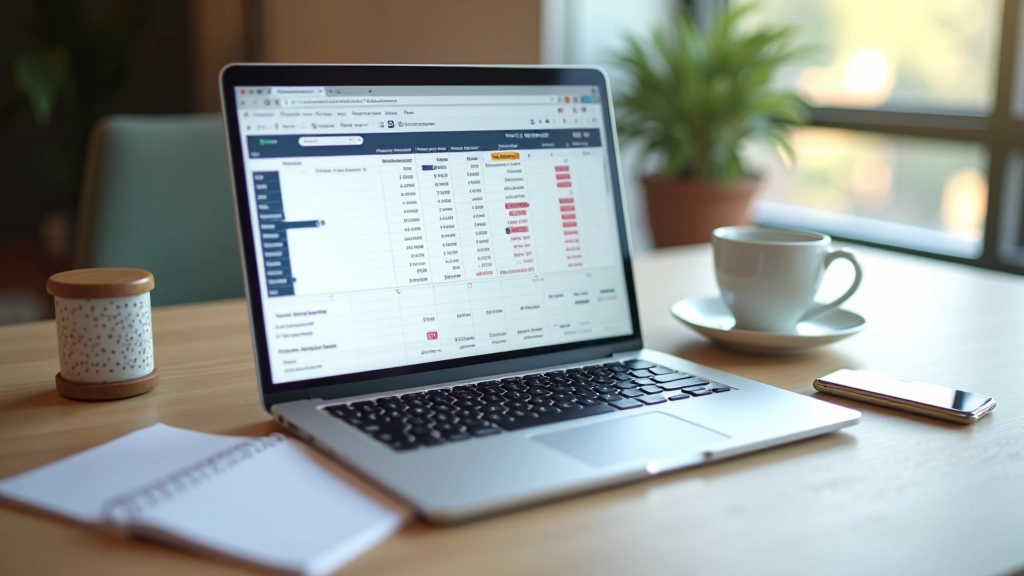
Most people have no clue where their money goes each month. They know what they earn. They know roughly what their rent costs. But everything else? It’s a mystery. The thing is, tracking isn’t about being obsessive or restrictive. It’s about awareness. Once you know where the money’s actually flowing, you can make real decisions instead of just hoping things work out.
We’re talking about the difference between thinking “I’m spending too much” and actually seeing that you’re dropping HK$2,400 a month on food delivery and HK$800 on subscriptions you forgot about. Numbers make it real.
of people underestimate their actual spending by at least 20%
typical timeframe to establish a tracking habit that sticks
average time commitment for basic expense tracking
You don’t need fancy software to track expenses. You need something you’ll actually use. Some people swear by apps. Others prefer spreadsheets. A few still use the envelope method with actual cash. The best method is whichever one you’ll stick with for longer than two weeks.
Simple, visual, and fully in your control. You see exactly how the data’s organized. Takes about 10-15 minutes per week to update.
Instant logging right when you spend. Apps like YNAB, Wave, or even just your bank’s built-in tools can categorize automatically. Less friction means more consistent tracking.
Use your credit card for everything (easier to track), then review statements monthly. Reduces daily friction while still giving you complete data.

This article provides general information about expense tracking methods and habits. It’s not personalized financial advice. Your actual spending patterns, financial situation, and goals are unique to you. If you’re dealing with significant debt or complex financial circumstances, consider speaking with a qualified financial advisor who can assess your specific situation.

The tracking method doesn’t matter much if you quit after two weeks. Building the habit is what counts. Start small — don’t try to categorize every single expense perfectly from day one. Just log what you spend and where. That’s it. Once logging becomes automatic, then you can worry about detailed categorization.
Set a specific time. Maybe it’s Sunday evening for 15 minutes, or Wednesday lunch when you review the past few days. A consistent time slot removes the “should I do this now?” decision. Your brain knows: Wednesday at noon, I check my expenses. Done.
And here’s the thing nobody mentions — you’ll get faster. The first month might take 30 minutes a week. By month three, you’re down to 10 minutes because you know the system and you’re quicker at categorizing. The habit feels lighter once it’s established.
Different tools work for different people. Here are some options people in Hong Kong actually use.
Most Hong Kong banks (HSBC, DBS, BOC) have built-in expense categorization. You’re already looking at your balance anyway, so tracking is just one more tap. No extra subscription needed.
More structured than most apps. Forces you to assign every dollar to a category before you spend it. Works well if you want discipline built into the system.
Free, simple, completely customizable. Lots of templates available online. Takes 20 minutes to set up, then you’re good for months.
If you like analyzing your data deeply. Pivot tables let you see spending patterns by category, merchant, even time of day. Overkill for beginners but powerful once you’re comfortable.
After a month of tracking, you’ll start seeing patterns. That’s when it gets interesting. You might realize you’re spending way more on transport than you thought, or that you’re bleeding money on small purchases that feel insignificant individually but add up fast.
The point isn’t to beat yourself up about these discoveries. It’s to have actual information. Once you know you’re spending HK$3,200 monthly on dining out, you can make a real decision: Is that okay with your goals? Can you cut it? Do you want to? These become conscious choices instead of accidents.
“The biggest surprise most people have isn’t how much they’re spending — it’s WHERE they’re spending it. The categories that seemed small? They weren’t.”

You don’t need the perfect system. You need a system you’ll actually use. Pick one tool — seriously, just one — and commit to tracking for 30 days. No judgment, no pressure to be perfect. Just log what you spend.
By day 21, you’ll have enough data to see real patterns. By day 30, you’ll know exactly where your money goes. And that knowledge? That’s where real financial decisions start. Not from a budget someone told you to follow, but from actual numbers that represent your actual life.
The habit takes time to stick, but it’s worth it. Because once you know, you can’t un-know. And knowing is the first step toward actually controlling your money instead of letting it control you.